

Phonics that adapts to every learner
Our DfE validated phonics programme has been tried and tested in thousands of schools around the world, including special schools, and is used successfully with learners across a broad spectrum of needs.
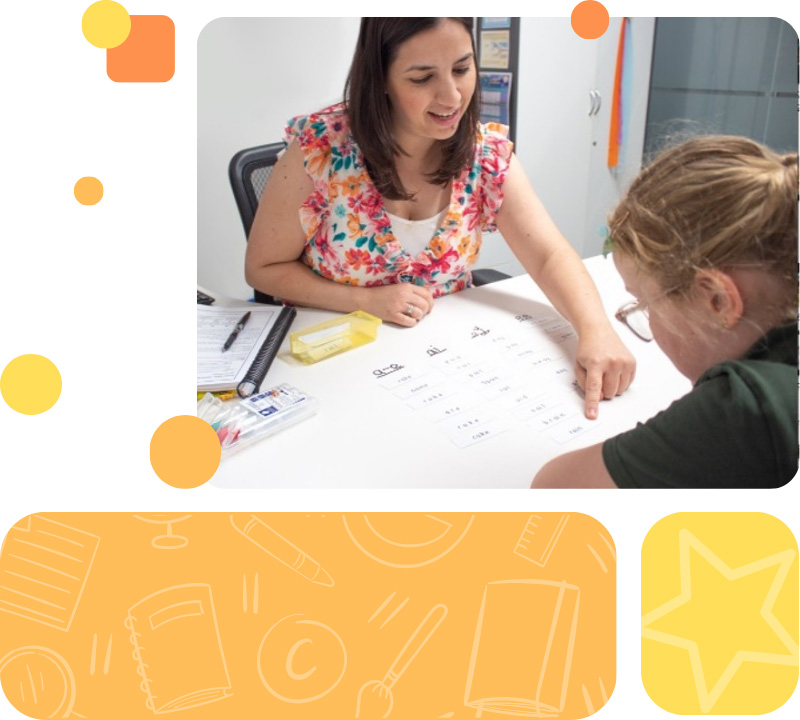
Our resources for SEND learners

Bite-sized reading
Some children take longer to build up the stamina to read entire books. Our sentence cards bridge the gap between reading single words and whole books.

Specialised training
Our Interventions Masterclass course is included in our annual membership and walks you through planning, delivering and monitoring interventions for SEND learners.

Clutter-free activities
Our activities and games are presented in clean, simple formats. They draw attention to the phonics knowledge and reduce cognitive overload for learners who find busy materials difficult to process.

How Torfield Special School uses Sounds-Write
Hear from Jasmine Seymour, Learning Leader for Phonics and Reading at Torfield Special School on how Sounds-Write is used with students in her school.
- Autism
- Speech and Language difficulties
- Pre-/non-verbal and profound hearing loss
- Severe learning difficulties
Autism
Children love the repetitive nature of Sounds-Write and feel reassured by the scripts and
routines of the lessons. Sounds-Write happens at the same time every day to ensure consistency.
Speech and Language difficulties
Pupils may work in smaller groups away from the classroom to reduce noise levels. Lessons will be supported with visuals and Makaton. As with all our Sounds-Write sessions, we never deviate from the scripts, so pupils know what instructions are coming next and understand the structure of lessons.
Pre-/non-verbal and profound hearing loss
Our pupils do lots of work on the pre-phonics skills, which include tuning into different sounds, experiencing rhyme and rhythm, and distinguishing between different vocal sounds. In addition to this, we believe that exposure to Sounds-Write is vital for their phonological development and means that children join in the lessons. Lessons such as ‘Seek the Sound’ and ‘Sound Swap’ work really well, as they are able to find sounds and build words with appropriate adult modelling. Teachers display sounds very clearly on mini-whiteboards for pupils to match the sounds and they are encouraged to use Makaton to sign the sounds they hear in words. The repetition in lessons means that pupils are continually working on associating sounds to spellings.
Severe learning difficulties
Our pupils work 1:1 with the class teacher in a quiet environment and generally focus on just one lesson per phonics session to keep the learning really focused, for example, working on ‘Word Building’ for five minutes. Whilst this is happening, sensory activities are often set up in the classroom for pupils to continue to be exposed to the sounds in different formats. As an example, the ‘Symbol Search’ lesson may be adapted to finding symbols in sand.
Clear
New code knowledge is introduced explicitly and always follows a simple and logical progression. Our resources don’t use jingles, toys or other gimmicks so as not to distract children from learning.
Predictable
Sounds-Write’s scripted lessons follow a predictable format that makes children feel secure and familiar with the structure of phonics sessions. The predictability leaves students’ working memory free to learn new information.
Cumulative
The Sounds-Write lessons always include a review of prior learning. This is especially useful for children who may need more repetitions of information for transfer to long-term memory.
Flexible
No two learners are the same, which is why Sounds-Write is designed to adapt to the pace of the learner. Lessons are designed to be delivered in whole-class, small group or one-to-one settings.
Pedagogy that works for every learner
Maintaining classroom practices that are grounded in cognitive science is important for all learners, but especially those with additional needs. Learn about how the Science of Learning has been embedded in every element of our approach.
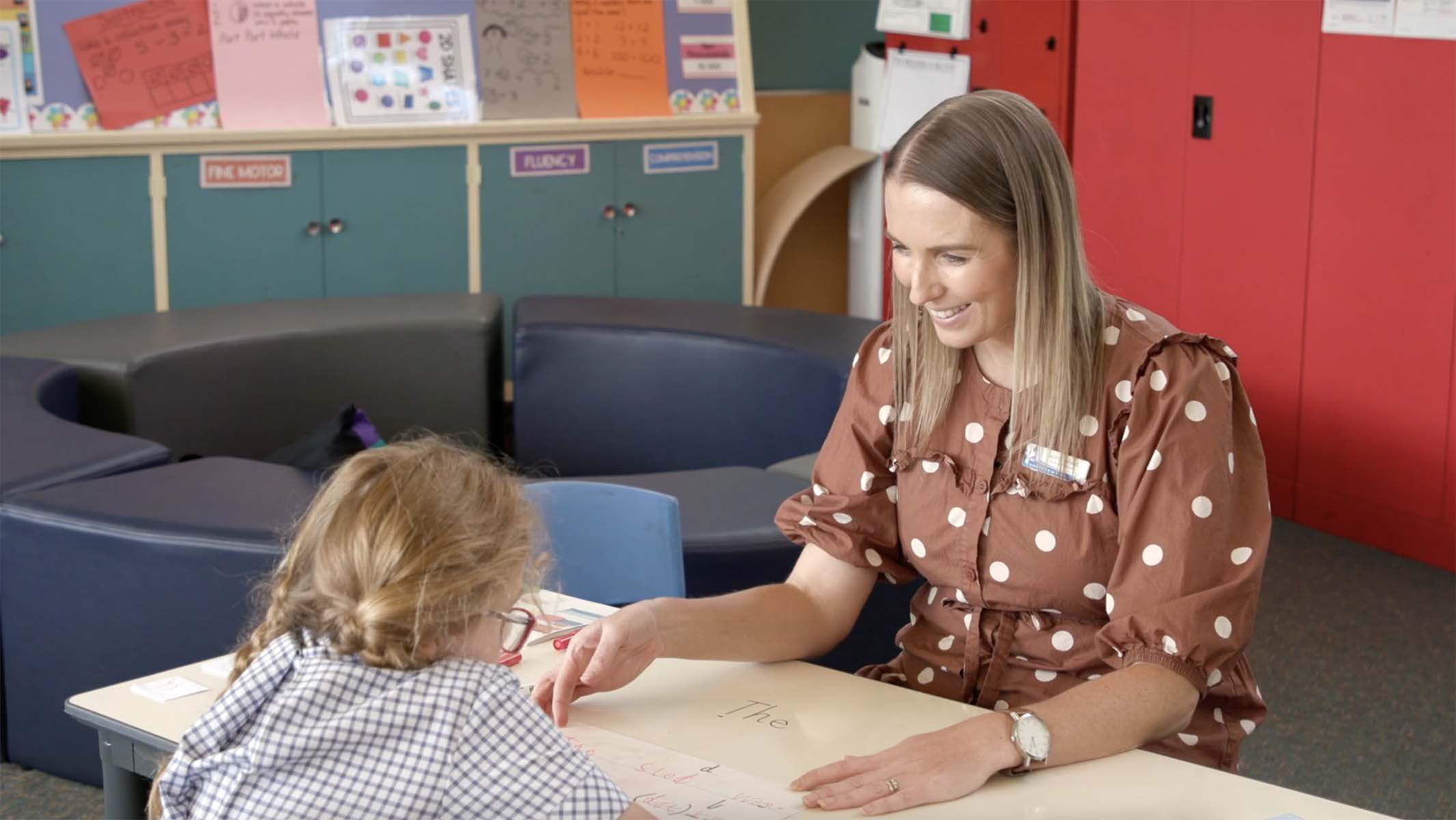
Freddie’s story
Listen to Kelly talk about her son, Freddie’s, journey to becoming a proficient reader and speller. Freddie has Moderate Learning Difficulties and Kelly struggled to find the help that he needed to learn to read and write. Since finding Sounds-Write, Freddie has gone on to become the avid reader his parents always knew he could be.